Spotlight
Finding Common Ground: SVU Students Gain New Perspectives at Democracy360
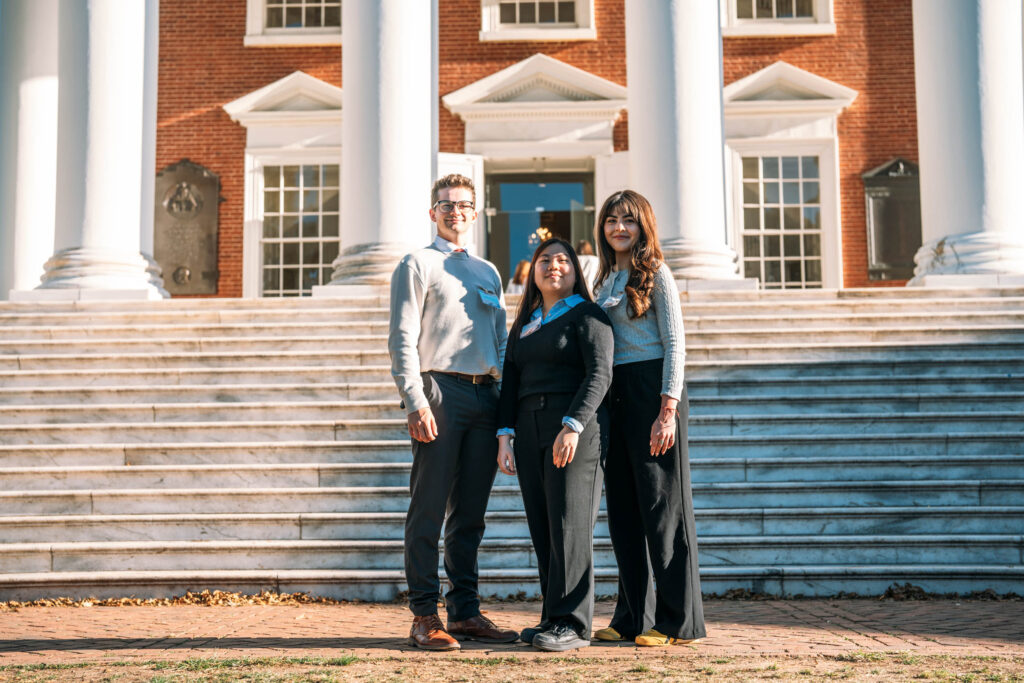
From Oct. 15–17, three Southern Virginia University students–Janet Brame (‘26), Nathaniel Boone (‘27), and Abigail Hansen (‘26)–traveled to Charlottesville to attend University of Virginia’s biennial Democracy360 conference. Hosted by the Karsh Institute of Democracy, the event gathered leaders, journalists, policymakers, scholars, artists, and students to examine the state of American democracy.
With the United States approaching the 250th anniversary of the Declaration of Independence, this year’s conference focused on the nation’s founding ideals and invited attendees to think critically about the country’s future.
Southern Virginia University Professor of Philosophy John Armstrong nominated Brame, Boone, and Hansen to attend after the Karsh Institute of Democracy reached out with an invitation. For Brame, a political science major with an emphasis in international relations, the invitation to attend came with a mix of excitement and apprehension.
“At first I was pretty intimidated to go,” Brame admitted. “Even though I’m a political science major and love these types of events, I still get nervous putting myself out there. But I knew it was a fantastic opportunity and that I had a unique perspective to contribute. Having Dr. Armstrong recommend me, and knowing he believed in me really helped too.”
Boone, a business major and academic senator at SVU, said he was eager to meet other students from across the country with similar interests.
“There were a lot of schools represented at this conference and I expected everyone to be studying politics,” he said. “But I was surprised at how many people came from all different fields of study. It gave me the opportunity to meet people with different perspectives and beliefs, to learn from them, and to build both personal and professional relationships.”
A major takeaway for Boone was the conversation around the role of citizens in a democracy. While America’s founding documents emphasize individual rights, the sessions challenged him to think more deeply about personal and civic responsibility. One workshop involved drafting a resolution that imagines the nation’s next 250 years.
“Whether you realize it or not, there are always things happening in the world that apply to you and affect you,” Boone said. “As citizens, we have a responsibility and the opportunity to be involved–at least in some measure–in shaping how our government responds to these things.”
Brame left the conference with a renewed sense of hope after watching students from universities large and small engage respectfully with one another. She also enjoyed a tour at Monticello that highlighted the friendship and rivalry between Thomas Jefferson and John Adams, emphasizing that meaningful relationships can exist across political differences and beliefs.
“They have a new tour called ‘Founding Friends, Founding Foes,’ and it shows how Jefferson and Adams, who were in different parties, were still able to be friends,” said Brame. “It was really cool to see how you can stay true to your beliefs while still being friends with others who think differently.”
Together, the students returned to campus with broader perspectives and a deeper appreciation for constructive dialogue–insights they can now apply in their studies and campus involvement.